
IT Support for Construction Companies
Reliable, secure IT that keeps your projects moving—from the office to the job site.
Is This You?
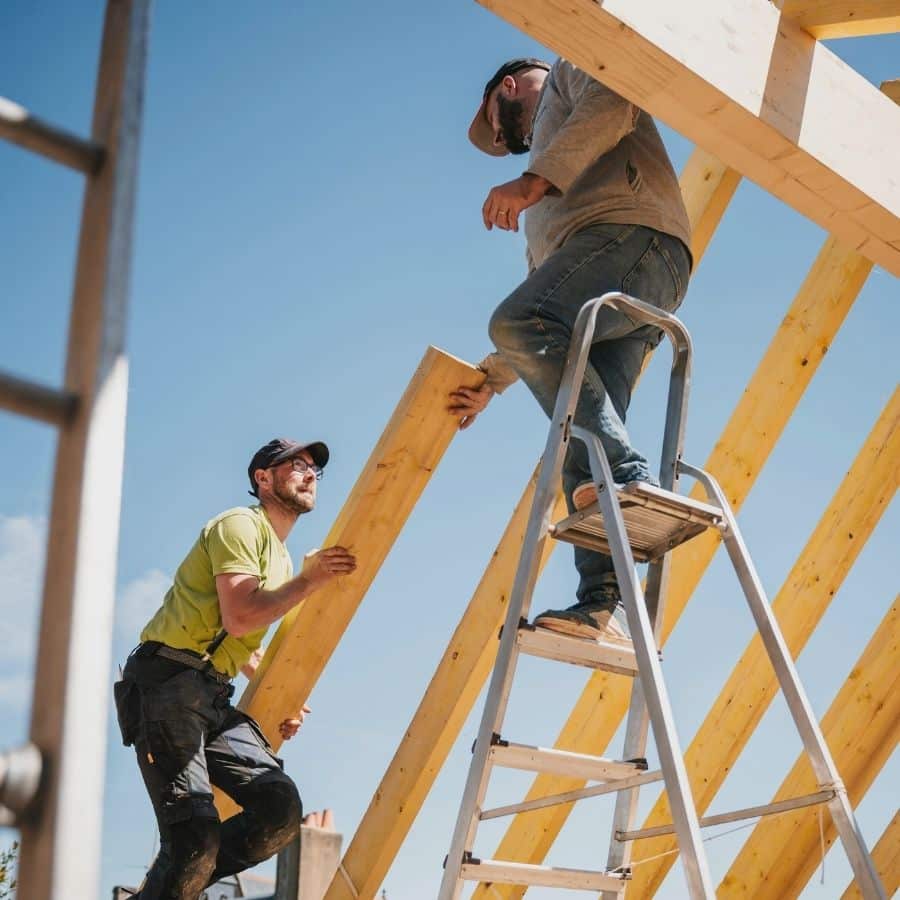
Construction companies rely on technology across the office and the field. When it doesn’t work the way it should, projects feel it immediately.
Don’t let technology slow you down.
The IT Challenges Construction Companies Face
Construction environments are fast-moving and often unpredictable.
Your IT needs to keep up.
Making the Right IT Decision Shouldn’t Feel Like a Guess
If you’re evaluating IT support, comparing providers, or just trying to understand what your organization actually needs, we put together a straightforward guide to help you make a confident decision.

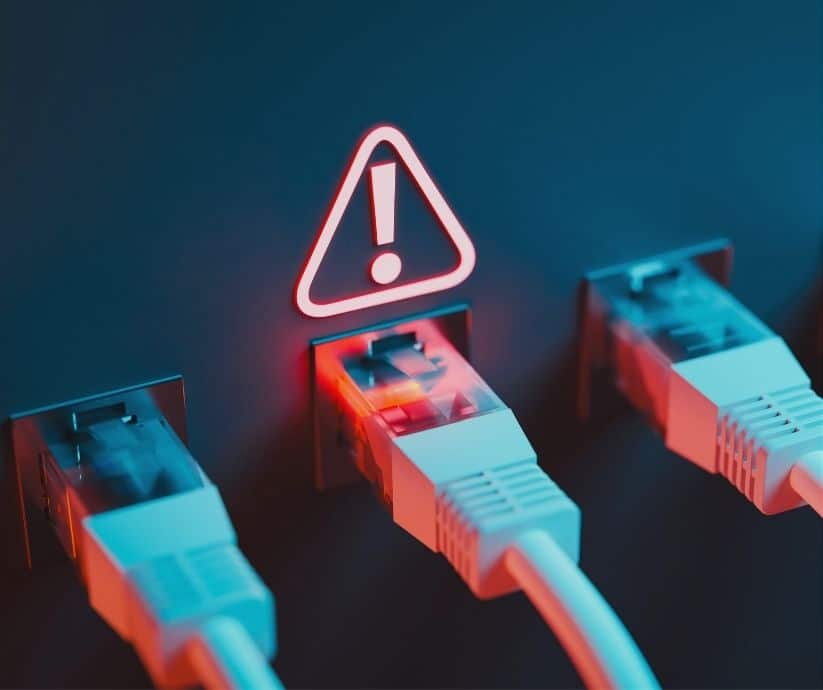
When IT Fails,
Projects Fall Behind
In construction, delays have real consequences.
- Slowed project timelines
- Miscommunication between teams
- Rework due to outdated information
- Lost productivity in the field and office
Even small issues can create larger setbacks.
A Simpler Way to Manage IT
We bring structure, clarity, and consistency to your IT environment.
Step 1
Stabilize
We eliminate recurring issues and bring your systems under control.
Step 2
Secure
We close security gaps and protect your business from real-world risks.
Step 3
Support & Scale
We provide ongoing support and help your tech grow with your business.
IT Solutions Built for Construction Companies
Your team isn’t tied to a desk. Your technology needs to work wherever the job takes you.
Reliable access to plans, files, and project data from the field or office
Support for construction management and project coordination tools
Secure communication between crews, project managers, and stakeholders
Stable systems to prevent downtime that can delay projects and timelines
Data protection for critical project files, contracts, and documentation
Guidance to help your business scale technology as projects grow
See what our customers are saying
Proactive and Accessible Approach
After the headache of dealing with unreliable and absent-minded IT support, I highly recommend Micro Solutions. Their proactive and accessible approach to IT support has been a game-changer for my company. With their knowledgeable techs and collaborative problem-solving, we can finally focus on our business instead of constantly dealing with technical issues. If you’re tired of subpar service and worrying about the security of your network, it’s time to make the switch to Micro Solutions. Their friendly and accountable team will give you the peace of mind you deserve. Don’t wait any longer to get rid of the IT headache.
 Lori Gridley
Corning Building Company
Lori Gridley
Corning Building Company
Frequently Asked Questions About IT Support for
Construction Companies
What does IT support for construction companies include?
IT support for construction companies is focused on keeping your teams connected—both in the office and on the job site.
This typically includes helpdesk support, proactive monitoring of systems, secure remote access for field teams, cybersecurity protection, data backups, and support for project management and communication tools.
The goal is to keep your projects moving without unnecessary delays.
Why do construction companies need specialized IT support?
Construction companies operate in environments that are constantly changing.
Teams are often split between the office and multiple job sites, relying on mobile devices, cloud tools, and real-time communication. Standard IT setups don’t always account for these conditions.
IT support for construction needs to be built around mobility, not just office infrastructure.
What are the most common IT challenges in construction?
Construction companies tend to face a consistent set of IT challenges as they grow.
These include unreliable internet or connectivity on job sites, difficulty accessing files remotely, inconsistent communication between field and office teams, cybersecurity risks, and outdated hardware.
Most construction companies have IT that hasn’t adapted to how they operate in the field.
How does IT downtime impact construction projects?
In construction, downtime can delay entire projects.
If teams can’t access plans, communicate updates, or use project management tools, work slows down or stops. These delays can affect timelines, budgets, and client expectations.
When your systems go down, your projects fall behind.
How can construction teams securely access files from job sites?
Secure and reliable access to files is critical for construction teams working in the field.
This typically involves cloud-based systems, secure remote access, and properly configured permissions so that teams can access plans, documents, and updates without risking data exposure.
Field access shouldn’t be a workaround. It should be a seamless part of your workflow.
How important is cybersecurity for construction companies?
Cybersecurity is becoming increasingly important in construction.
Construction companies handle contracts, financial data, project plans, and communications that can be valuable targets for cyber threats. At the same time, mobile devices and remote access can introduce additional risks if not properly managed.
Security is about keeping your projects and data moving safely.
Do construction companies need to worry about compliance requirements?
Some construction companies may be subject to compliance requirements depending on the type of work they do.
This can include data protection requirements, contract-driven security expectations, or industry-specific standards. Even when formal compliance isn’t required, clients and partners are placing greater emphasis on security practices.
The challenge is keeping up with increasing expectations from clients and partners.
Should we hire internal IT or use a managed IT provider?
For many construction companies, a managed IT provider offers more flexibility.
An internal IT resource may not be able to fully support both office systems and field operations. A managed IT provider gives you access to a full team that can proactively manage your environment and support users wherever they’re working.
In construction, IT needs to support both the office and the field at the same time.
How can IT support improve communication between field and office teams?
Effective IT support helps eliminate communication gaps between teams.
This includes ensuring reliable access to communication tools, supporting mobile devices, and maintaining systems that allow real-time updates and file sharing.
When communication flows smoothly, projects stay on track.
What should we look for in an IT provider for our construction company?
The right IT provider should understand how construction companies actually operate.
Look for a partner that can support mobile teams, enable secure remote access, improve communication, and take a proactive approach to preventing issues. Fast response times and clear communication are especially important.
If your IT provider doesn’t understand how your teams work in the field, they won’t be able to support your projects effectively.
For more info on how to choose the right IT provider, scroll up and check out our IT Buyer’s Guide.